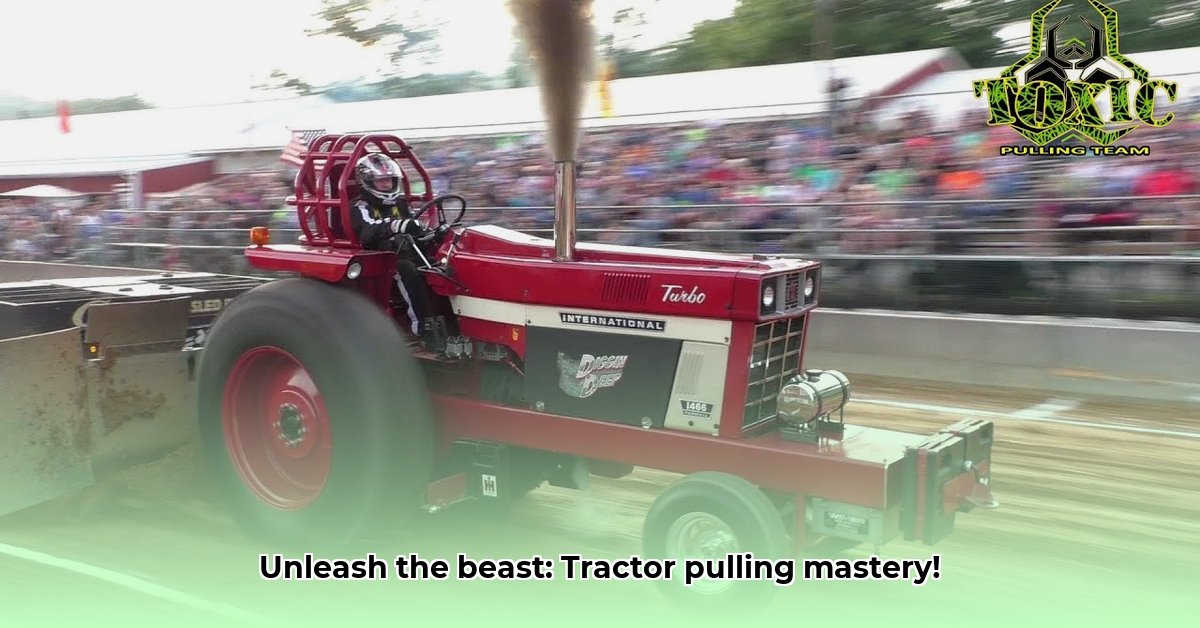
Farm Tractor Pulling: A Heavyweight History
Farm tractor pulling, a seemingly simple contest of tractor versus weighted sled, is a high-stakes motorsport with surprising depth. Its origins trace back to horse-pulling competitions, a vital part of pre-industrial agricultural life. These contests, testing raw animal strength, evolved with technology. The transition from horse to tractor mirrors the larger technological shift in agriculture, showcasing human ingenuity and our enduring competitive spirit. This evolution from muscle power to engine power is a compelling narrative within the sport. Find local events near you using this handy schedule.
Under the Hood: Engineering the Ultimate Pull
The engineering behind competitive tractor pulling is far from simple. These aren't ordinary farm tractors; they're highly modified machines, transformed into high-performance athletes. Engines are rebuilt for maximum power and torque, often exceeding their original design limits. Transmissions are heavily reinforced to withstand immense forces. Even tires and chassis components are meticulously chosen and modified to maximize performance. Every detail is crucial – it’s a testament to human engineering and the pursuit of power. What's more, the sled itself is a precisely engineered piece of equipment, with carefully calibrated resistance designed to push tractors to their absolute limits. Did you know that even the smallest modification can significantly impact a tractor's performance?
The Competitive Landscape: Classes and Organizations
Competitive tractor pulling isn't a one-size-fits-all event. Different classes categorize tractors by weight, engine size, and modification extent, ensuring fair competition. This is analogous to weight classes in boxing – it levels the playing field and creates exciting head-to-head matchups. Organizations like the National Tractor Pulling Association (NTPA) establish rules and standards, providing structure and legitimacy to the sport, attracting participants and upholding competition integrity. Understanding these organizational structures is vital for both participants and spectators.
Mastering the Art of the Pull: Strategy and Skill
While raw horsepower is undeniably important, success in tractor pulling requires more than brute force. Strategy and skilled driving are equally crucial. Here are three key elements to a successful pull:
Engine Tuning: Finding the optimal balance between power and reliability is key. An overstressed engine risks failure, while insufficient power results in a short pull. This delicate balance requires deep engine knowledge and precision.
Weight Management: Precise weight distribution is critical. Careful ballast placement maximizes traction, minimizing wheel spin and maximizing forward momentum. Experienced drivers know how to optimize weight placement for varying track and sled conditions.
Sled Strategy: Understanding how the sled's resistance changes throughout the pull allows drivers to adapt their approach. This involves adjusting pulling technique to maximize distance, considering that the initial pull differs greatly from the final struggle.
Beyond the Competition: Community and Camaraderie
The sport extends beyond competition, fostering a strong sense of community. Competitors, mechanics, and spectators share a passion for these extraordinary machines and the thrill of the competition. Events are electrifying, marked by the roar of engines, cheers of the crowd, and the palpable energy of shared enthusiasm. This collective passion strengthens bonds and creates a truly unique community experience.
The Future of Pulling: Innovations on the Horizon
Technological advancements continue to shape the sport. New materials, innovative engine designs, and alternative fuels promise to significantly impact the future of tractor pulling. Experts anticipate radical changes, leading to more exciting and technically challenging competitions. This evolution shows the sport's adaptability and its capacity to remain engaging.
Getting Involved: Experience the Thrill
Want to experience the excitement? Attend a local event! The atmosphere is electric, and the sheer power of these machines is unforgettable. It’s an experience that's sure to leave a lasting impression. The spectacle is a fascinating blend of engineering mastery and intense competition.
Glossary of Terms
| Term | Definition |
|---|---|
| Super Stock | A class of tractors with specific modifications allowed for competition. |
| Modified | A class allowing extensive modifications for maximum pulling power. |
| Weight Transfer | Strategically shifting weight to improve traction and pulling effectiveness. |
| Hook Height | The precise height of the hook connecting the tractor to the sled. |
How to Modify a Tractor for Competitive Tractor Pulling
This section will provide actionable steps for modifying a tractor, emphasizing safety and adherence to regulations.
Key Takeaways:
- Weight reduction is crucial for competitive pulling. (A lighter tractor translates to improved performance.)
- Engine upgrades significantly boost performance. (More horsepower equals greater pulling power)
- Tire selection is vital, considering class rules. (Choosing the right tires optimizes traction and adherence to class regulations.)
- Adhering to weight class and tire size regulations is paramount. (Understanding and following regulations is essential to avoid disqualification.)
- Careful planning and preparation are essential. (Thorough preparation is crucial for success.)
- Understanding competition rules is key to success. (Knowledge of competition rules is vital for both safety and eligibility.)
Shedding Weight: The Foundation of a Winning Puller
Weight reduction is paramount. Removing unnecessary components—like the two-point hitch—is crucial. Lighter wheels also contribute significantly. Remember, less weight means more pulling power.
Power Up: Engine Modifications for Maximum Pull
Engine upgrades are essential. Choose engine options that maximize power within your class rules. Regular inspection and maintenance are vital to prevent costly failures. Reliability is as important as raw power.
Tire Tactics: Grip and Class Compliance
Tire choice is key. Cut tires (where allowed) maximize grip, but always adhere strictly to class regulations on tire size and type. Maintain consistent tire pressure throughout the pull.
Fine-tuning Your Pulling Machine
Optimal weight distribution is critical. Experiment to find the balance that maximizes traction. Even small adjustments can significantly improve performance.
Staying Within the Rules: Competition Regulations
Always consult the official rule book. Non-compliance results in disqualification. Thoroughly understand all rules before starting modifications.
Parts Sourcing and Budgeting
Plan your budget carefully. Creating a detailed parts list and including a contingency for unexpected costs is essential. Sourcing specialized components may require extra effort.